
How Government Health Information Censorship Impacts You
How Government Health Information Censorship Impacts You in today’s interconnected world, access to accurate and timely health information is more critical than ever. Yet, beneath the surface of the vast digital health landscape lies a troubling phenomenon: government health information censorship. This subtle, often overlooked practice can profoundly affect not just the information available to the public but also the very way individuals make decisions about their health and wellbeing.
This article dives deep into how government health information censorship impacts you personally, the mechanisms behind it, and what it means for society at large.
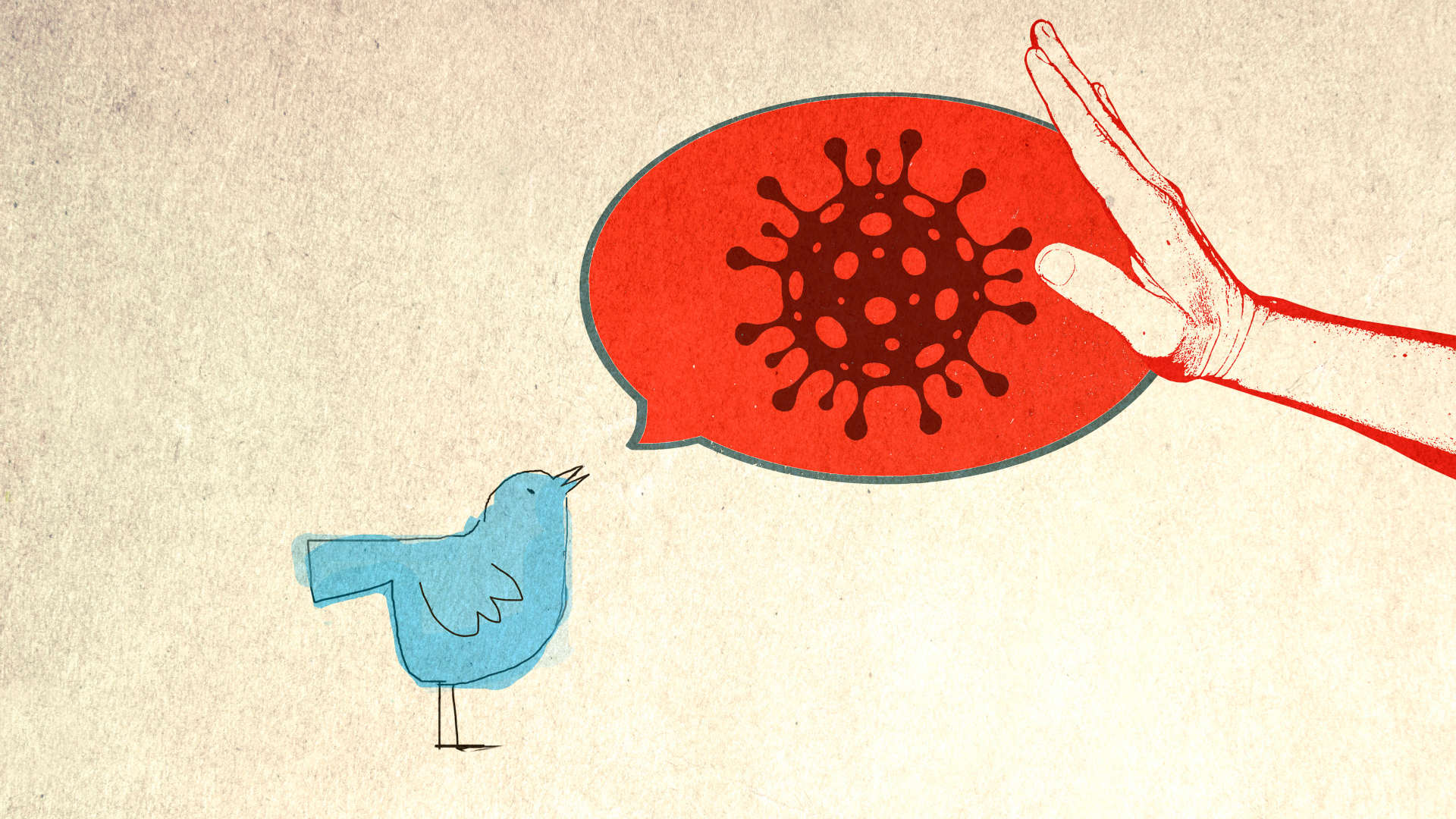
The Digital Age and Health Information
The explosion of digital communication has revolutionized how we receive health information. From online medical journals to government health advisories and social media influencers, the sources are plentiful and varied. This democratization of information has empowered millions to take charge of their health with unprecedented ease.
However, this abundance comes with its own pitfalls. Governments worldwide have taken steps to control the narrative surrounding public health — sometimes for protection, sometimes for political or social motives. This is where government health information censorship enters the picture.
What Exactly Is Government Health Information Censorship?
At its core, government health information censorship involves the regulation, suppression, or alteration of health-related information by governmental bodies. This can range from restricting access to specific health data, modifying reports on outbreaks, to controlling the dissemination of medical research findings.
While censorship might be justified under certain circumstances — such as preventing the spread of misinformation or panic — it often raises questions about transparency, freedom of information, and the public’s right to know.
How Does This Censorship Manifest?
Restricting Access to Health Data
In some cases, governments limit the availability of raw health data to the public or independent researchers. This lack of transparency can obscure the true extent of health crises, such as infectious disease outbreaks or environmental health hazards.
Controlling Public Health Messaging
Governments frequently curate official health messages. While this can help maintain consistent guidance, it may also exclude alternative viewpoints or emerging evidence that challenges the official stance.
Silencing Dissent and Alternative Voices
Journalists, scientists, and health advocates who raise concerns or report conflicting information might face censorship. This can be subtle, such as de-platforming on social media, or overt, like legal repercussions.
The Personal Impact of Government Health Information Censorship
You might wonder, how does government health information censorship affect you directly? The answer is multifaceted and sometimes surprisingly profound.
Eroding Trust in Public Institutions
When information is censored or manipulated, public trust in health authorities can deteriorate rapidly. Conflicting messages breed confusion, skepticism, and, eventually, disengagement.
Imagine trying to make critical health decisions without clear, trustworthy information. This uncertainty can lead to poor health outcomes on an individual level.
Limiting Your Ability to Make Informed Decisions
Censorship restricts the scope of knowledge available to you. Without full access to all data and viewpoints, your ability to evaluate risks, benefits, and alternatives is curtailed. For example, if vaccine information is selectively censored, individuals might miss crucial insights needed to weigh options confidently.
Impact on Vulnerable Communities
Certain groups, such as minorities, immigrants, or economically disadvantaged populations, often rely heavily on public health information to navigate systemic healthcare barriers. Government health information censorship can disproportionately affect these communities, exacerbating health inequalities.
Case Studies: Government Health Information Censorship in Action
The COVID-19 Pandemic
The global COVID-19 crisis showcased the challenges and consequences of government health information censorship. While many governments sought to curb misinformation, some were criticized for suppressing data about case numbers, vaccine side effects, or alternative treatment options.
This censorship led to widespread confusion and fueled conspiracy theories, illustrating how controlling information can sometimes backfire spectacularly.
Environmental Health Concerns
In certain countries, reports about pollution-related health risks have been downplayed or hidden from the public. This suppression delays crucial health warnings and stifles community advocacy, putting lives at risk.
The Fine Line Between Censorship and Public Safety
It’s essential to acknowledge that not all regulation of health information is inherently negative. Governments have a responsibility to combat harmful misinformation that can jeopardize public safety.
However, the challenge lies in balancing this protective role with the imperative to uphold transparency and freedom of information. When governments overreach, the public pays the price through restricted knowledge and diminished autonomy.
How Can You Navigate a Landscape of Censored Health Information?
Living in a world where government health information censorship exists requires vigilance and critical thinking. Here are some practical tips to help you stay informed and empowered:
Diversify Your Sources
Relying on a single source — even official ones — can limit your perspective. Seek information from multiple reputable outlets, including international health organizations, independent research institutions, and trusted healthcare professionals.
Develop Critical Literacy
Learn to analyze the credibility of information. Look for citations, check authors’ qualifications, and be wary of sensationalized headlines.
Engage in Open Dialogue
Discuss health topics with healthcare providers and community members. Conversations can help clarify doubts and broaden your understanding.
Support Transparency Efforts
Advocate for policies that promote open access to health data and protect whistleblowers who expose vital information.
The Role of Technology in Circumventing Censorship
Technology can be both a tool of censorship and a weapon against it. Encrypted communication platforms, decentralized information networks, and blockchain verification of data are emerging as powerful means to counteract government-imposed restrictions.
For example, during crises, independent journalists and researchers often use these technologies to share uncensored health information worldwide.
Looking Ahead: The Future of Government Health Information Censorship
The dynamics of government health information censorship are evolving alongside political, technological, and social changes. As artificial intelligence and machine learning shape content moderation, the risk of over-censorship grows. It is crucial for citizens to stay alert and demand accountability.
Simultaneously, increasing global demand for transparency is pushing some governments toward more open data practices, recognizing that informed citizens contribute to better health outcomes.
The impact of government health information censorship reverberates far beyond the walls of bureaucratic institutions. It touches your right to knowledge, your health decisions, and ultimately your wellbeing.
By understanding the nuances of censorship and equipping yourself with critical tools, you can navigate this complex landscape with confidence and contribute to a more transparent, healthier society.
Embrace your power as an informed citizen, stay curious, and champion access to truthful, comprehensive health information.


